
"coffee supply crisis"
300 article(s) found

Certificate of boutique coffee 4C coffee certification
C certification is a widely accepted management rule in the world, which involves the sustainable development of coffee cultivation, production, processing and other aspects of the supply chain, including social, environmental and economic principles. Coffee practitioners are required to protect biodiversity, protect all kinds of national endangered animals and plants, correctly use and handle pesticides and other chemicals, and protect the natural environment and people.
Boutique coffee bean knowledge 4C coffee certification
4C certification is a widely accepted management rule in the world, which involves the sustainable development of coffee cultivation, production, processing and other aspects of the supply chain, including social, environmental and economic principles. Coffee practitioners are required to protect biodiversity, protect all kinds of national endangered animals and plants, correctly use and handle pesticides and other chemicals, protect the natural environment and
Basic knowledge of boutique coffee 4C Coffee Certification
4C certification is a widely accepted management rule in the world, which involves the sustainable development of coffee cultivation, production, processing and other aspects of the supply chain, including social, environmental and economic principles. Coffee practitioners are required to protect biodiversity, protect all kinds of national endangered animals and plants, correctly use and handle pesticides and other chemicals, protect the natural environment and
The journey of coffee from Africa to China
Coffee originated in Africa and little is known about it. In fact, Africa Ethiopia is the hometown of coffee, producing the best Arabian coffee in the world. Soil, weather conditions and an altitude of more than 2000 meters above sea level have made many countries in Africa create an ideal scene for the growth of coffee. At present, coffee production in Africa accounts for about 13% of the world's total output, and coffee income is part of Africa.
Boutique coffee bean certification body 4C Association coffee certification
4C certification is a widely accepted management rule in the world, which involves the sustainable development of coffee cultivation, production, processing and other aspects of the supply chain, including social, environmental and economic principles. Coffee practitioners are required to protect biodiversity, protect all kinds of national endangered animals and plants, correctly use and handle pesticides and other chemicals, protect the natural environment and
4C Coffee Certification, the certification body of boutique coffee beans
4C certification is a widely accepted management rule in the world, which involves the sustainable development of coffee cultivation, production, processing and other aspects of the supply chain, including social, environmental and economic principles. Coffee practitioners are required to protect biodiversity, protect all kinds of national endangered animals and plants, correctly use and handle pesticides and other chemicals, protect the natural environment and
Introduction to the certification body of fine coffee beans 4C coffee certification
4C certification is currently widely accepted in the world, involving coffee cultivation, production, processing and other aspects of the supply chain sustainable development management rules, including social, environmental and economic principles. Coffee growers are required to protect biodiversity, protect various nationally endangered plants and animals, properly use and handle pesticides and other chemicals, protect the natural environment and

Fair Trade Fair Trade Certification, a certification body for boutique coffee beans
Fairtrade coffee is mainly traded directly with local coffee farmers at a fair price. In a transparent management model and commercial form. The premise of ensuring the working environment of producers and protecting the local environment. At the same time, provide corresponding production technology and training, build bridges, schools, hospitals and other facilities. The aim is for sustainable development and poverty alleviation. Logo: yes

Know the Fine Coffee Bean Certification Organization: Fair Trade Fair Trade Certification
Fairtrade coffee is mainly traded directly with local coffee farmers at a fair price. In a transparent management model and commercial form. The premise of ensuring the working environment of producers and protecting the local environment. At the same time, provide corresponding production technology and training, build bridges, schools, hospitals and other facilities. The aim is for sustainable development and poverty alleviation. Logo: Fai

A brief introduction to the description of flavor, taste and aroma characteristics of high acidity Angolan boutique coffee beans
Ninety-eight per cent of coffee in Angola (Angola) is Roberts. The best brands in Angola used to be Ambriz, Amborm and NovoRedondo, all of which are known for their consistent quality. The characteristics of Angolan coffee: flavor: not available in the West in recent years, but used to be famous for its high acidity suggested roasting method: medium

A brief introduction to the cultivation of boutique coffee beans in Angola, which are almost impossible to buy, geography, climate, altitude.
In the 1970s, Angola produced about 180000 tons of commercial coffee per year. With an area of 161000 hectares and an annual output of 99550 tons, Uige Province is the largest coffee grower.

Consistent Angola Fine Coffee Bean Origin History and Culture Introduction
Angola was once one of the world's largest coffee producers, with a record coffee production of 225,000 tons in 1974. But Angola's coffee production fell sharply after a 27-year civil war broke out after independence in 1975. The first batch of Angola coffee exported to the United States-11 tons in total-has arrived in the country, Angola's ambassador to the United States, Agostinho Tavares, told the daily Angola in New York on Monday.

Mcnulty that attracts taste buds in the origin of coffee
Photo caption: Mcnulty represents Li Yinzhen, the largest quantity of goods shipped by sea in the world over the past decade is not rice, wheat and wood, but coffee. Today, 100 years after coffee was introduced into South Korea, South Korea consumes more than 230 cups of coffee (2.29kg) per capita every year, and coffee has become the most popular hobby. As a result, the import of coffee beans is constantly refreshed every year.

Brief Introduction to the Treatment Method of Grindness Roast Degree of High Acidity Angola Fine Coffee Bean
Angola Coffee Features: Flavor: Not available in the West in recent years, but previously known for its high acidity Suggested Roast: Medium to Deep Roast: Average Market for Angola Coffee: Mid-1970s, 98% of Angola's annual coffee exports were Roast (probably the best Roast coffee in Africa), total production, 1990

A brief introduction to the cultivation of high-acidity Angolan boutique coffee beans, geographical location, climate and altitude
The origin of coffee in Angola: 98% of the coffee in Angola (Angola) is Roberts coffee. The best brands in Angola used to be Ambriz, Amborm and NovoRedondo, all of which are known for their consistent quality. Angola was once one of the largest coffee producers in the world, with coffee production reaching a record 22.5 in 1974

The trade pattern of raw coffee beans is changing, with both challenges and opportunities.
Coffee is our beloved, and global coffee consumption has nearly doubled in the past 40 years, with an average of 2.25 billion cups of coffee consumed every day, of which about 400 million cups are consumed in the United States alone. But do you know where coffee comes from, how it is made, and how it becomes a delicacy in our cups? In order to change the mass consumer
The trade pattern of raw coffee beans is changing, with both challenges and opportunities.
Coffee is our beloved, and global coffee consumption has nearly doubled in the past 40 years, with an average of 2.25 billion cups of coffee consumed every day, of which about 400 million cups are consumed in the United States alone. But do you know where coffee comes from, how it is made, and how it becomes a delicacy in our cups? In order to change the mass consumer

Consistent cultivation of boutique coffee beans in Angola A brief introduction to geographical location, climate and altitude
The market for Angolan coffee: in the mid-1970s, 98 per cent of Angola's annual coffee exports were Roberts (probably the best in Africa), but total production fell in 1990. Most of Angola's coffee was exported to the United States, the Netherlands and, of course, Portugal in the 1970s. Angola produced about 180000 tons of commercial coffee a year.
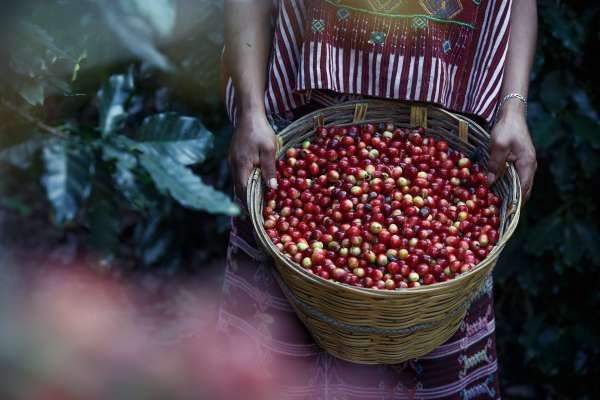
Coffee bark beetle climbing! Climate change! There may be a global shortage of 180 million bags of coffee beans in 2050.
Professional coffee knowledge exchange more coffee bean information Please follow the coffee workshop (Wechat official account cafe_style) many people drink a cup of mellow coffee every morning to start a new day, but with the increasing severity of global warming and the increasing frequency of extreme weather such as droughts and super hurricanes, more than half of the world's coffee bean producing areas will be seriously affected.
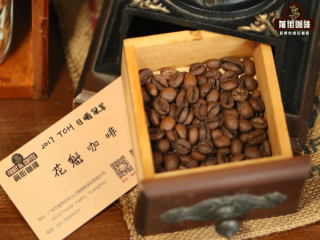
Ruixinhuakui 5.0dirty Coffee Flavor Taste description introduction to Essehidama coffee bean flavor
For the exchange of professional baristas, please pay attention to the product description of the coffee workshop (Wechat official account cafe_style) | carefully select 100% Arabica manor beans | the bean baker certified by SCAA is in charge of the pot, using a special baking curve, the aroma is prominent and rich in layers.